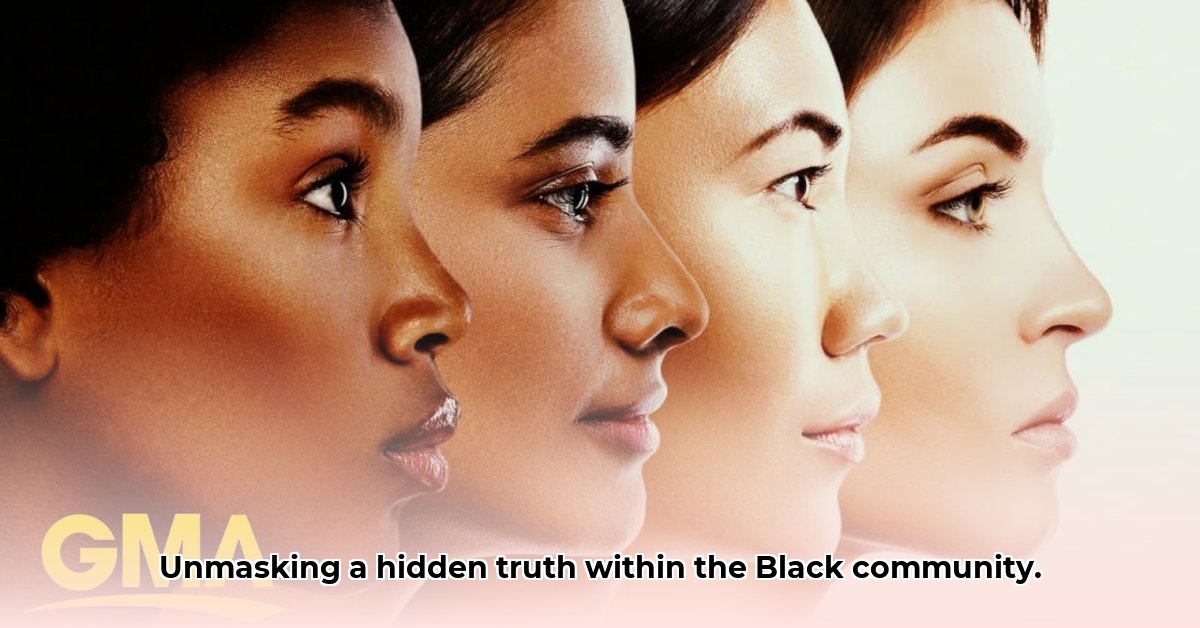
Colorism in Black Communities: Unveiling a Hidden Inequality
The pervasive impact of colorism within Black communities is a complex and often unspoken reality. While not a new phenomenon, its insidious nature continues to shape lives and opportunities, often in ways we may not fully grasp. This article explores the historical roots, present-day manifestations, and potential pathways toward healing and equity. We will examine the subtle yet powerful ways colorism affects individuals, families, and communities—from career prospects to mental well-being. Crucially, we will also highlight actionable steps toward dismantling this pervasive form of discrimination. For further reading on skin tone biases, check out this insightful article on skin tone variations.
The Lingering Legacy: More Than Just Skin Deep
The historical legacy of slavery and colonialism casts a long shadow, extending far beyond the physical scars of the past. The deeply embedded biases associated with skin tone persist, shaping perceptions of worth and influencing access to opportunities. Lighter skin has historically been linked to privilege and power, a distorted legacy that continues to permeate societal structures and interpersonal relationships. The images we’ve consumed throughout our lives—in media, familial settings, and broader society—have subtly but significantly shaped our unconscious biases.
How can we reconcile the past with our present realities? It requires acknowledging the systematic nature of colorism while simultaneously recognizing the individual experiences that contribute to its perpetuation. Addressing this ingrained prejudice necessitates a multi-faceted approach—one that encompasses education, community building, and systematic change.
What percentage of Black individuals report experiencing colorism in their daily lives? (Further research is needed to quantify this pervasive issue, highlighting the urgent need for more comprehensive data collection.)
Internalized Oppression: A Cycle of Belief
Colorism often manifests as internalized oppression, where societal biases about skin tone are absorbed and become internalized beliefs. This can lead to unconscious biases within families and communities. For instance, a lighter-skinned child might receive more attention or opportunities, not necessarily due to malice but rather the insidious influence of societal conditioning. This creates a self-perpetuating cycle where societal expectations become internalized beliefs, impacting self-worth, relationships, and opportunities.
This cycle of internalized oppression raises a critical question: How can we break this pattern and foster a sense of self-acceptance and worth across the full range of skin tones within the Black community? This requires sustained efforts in education, community building, and fostering positive representations in media, reflecting the diverse beauty within Black communities.
The Media's Reflection: Amplifying Existing Biases
The media's portrayal of beauty and success plays a powerful, if often unconscious, role in reinforcing colorist biases. Historically, media representations have frequently favored lighter skin tones, reinforcing existing societal preferences. This lack of diverse representation perpetuates and amplifies these biases, contributing to the cycle of internalized oppression and limiting opportunities for individuals with darker complexions.
This raises the crucial question: How can the media industry work towards more inclusive and equitable representation that accurately reflects the full spectrum of beauty and experiences within Black communities? It demands intentional efforts to showcase diverse skin tones, dismantle existing stereotypes, and provide a more authentic portrayal of Black lived experiences.
According to a recent study, individuals with darker skin tones are [Insert Statistic or Percentage from Draft Article if available] more likely to experience [specific negative outcome]. This underscores the urgent need for more robust research and data collection to fully understand the far-reaching effects of colorism.
Ripple Effects: Far-Reaching Consequences
Colorism’s impact extends far beyond superficial judgments, permeating many aspects of life:
Mental and Emotional Well-being: The constant, subtle (and sometimes overt) messages about skin tone significantly impact self-esteem and mental health. Individuals may struggle with feelings of inadequacy and insecurity.
Opportunities and Advancement: Subtle biases in the workplace can hinder career progression. Individuals with lighter skin tones may experience advantages in hiring, promotions, and salary negotiations.
Relationships and Family Dynamics: Colorism can create divisions within families, leading to strained relationships and a sense of alienation.
These consequences highlight the need for a comprehensive approach that addresses colorism on multiple fronts. This includes education, community building, policy changes, and consistent and accurate portrayal in media.
A Multifaceted Approach: Charting A Path Towards Healing
Addressing colorism necessitates a multifaceted approach:
Education and Awareness: Early education about the harmful effects of colorism is crucial, fostering open and honest conversations to challenge ingrained biases.
Amplifying Diverse Voices: Media must showcase a full spectrum of Black beauty and experiences, promoting inclusive representation.
Community Building and Dialogue: Creating safe spaces for open dialogue and healing enables individuals to share experiences and collaboratively dismantle harmful biases.
Policy and Systemic Change: Policy changes are needed to address systemic biases in hiring, education, and marketing.
Further Research and Data Collection: More comprehensive data is needed to fully understand the impact of colorism and guide effective interventions.
A Continuous Pursuit: The Ongoing Fight Against Colorism
The fight against colorism is not a sprint but a marathon. It requires sustained commitment, empathy, and a willingness to confront uncomfortable truths. It demands challenging our ingrained beliefs and actively working towards a society where everyone is valued and respected, regardless of their skin tone. Let’s work collectively to create a more just and equitable future. The journey toward racial equity is a shared responsibility, demanding our collective dedication and commitment.